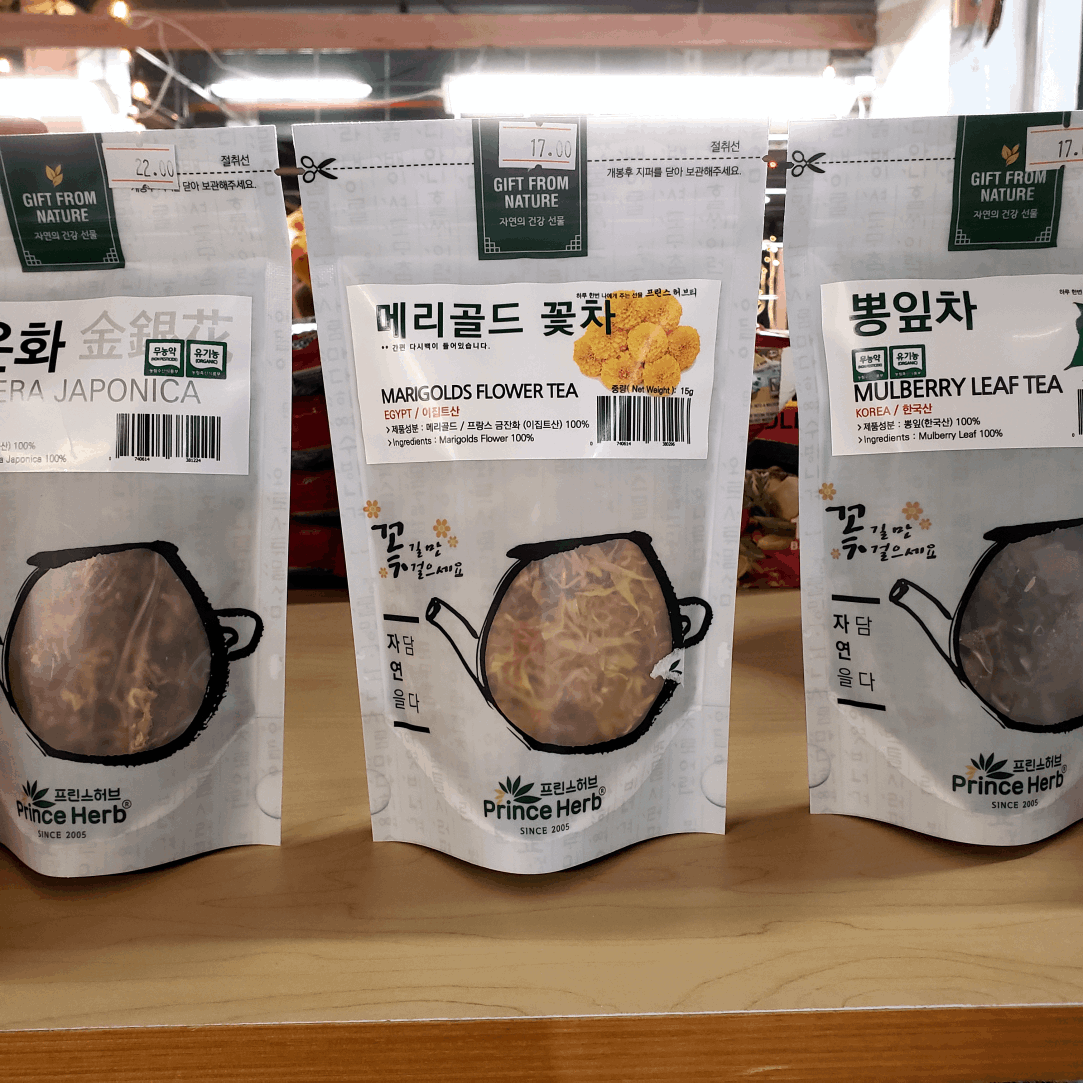
This information is presented to anyone considering using the herbal teas we sell as anything other than an occasional refreshing beverage. Please consult with medical / herbal professionals before beginning a treatment regimen.
Herbal remedies like teas, tinctures, and salves have been cherished by indigenous cultures around the globe for generations. These natural treatments were healing people long before the advent of "science-based" medicines in the West. It's fascinating to realize that many of our early pharmaceuticals were actually refined versions of these traditional herbal remedies, even before the age of synthetic and chemical medications.
For a long time, Western science largely overlooked these time-honored herbal practices. However, as we face more diseases and infections that are becoming resistant to contemporary medications, there's been a growing interest in looking back to these natural sources.
Herbal remedies hold incredible potential—they can ease symptoms, treat various conditions, and in some cases, even cure ailments. With scientific studies increasingly uncovering the benefits of these traditional treatments—long embraced by Eastern and indigenous cultures—there's a newfound appreciation for their potential.
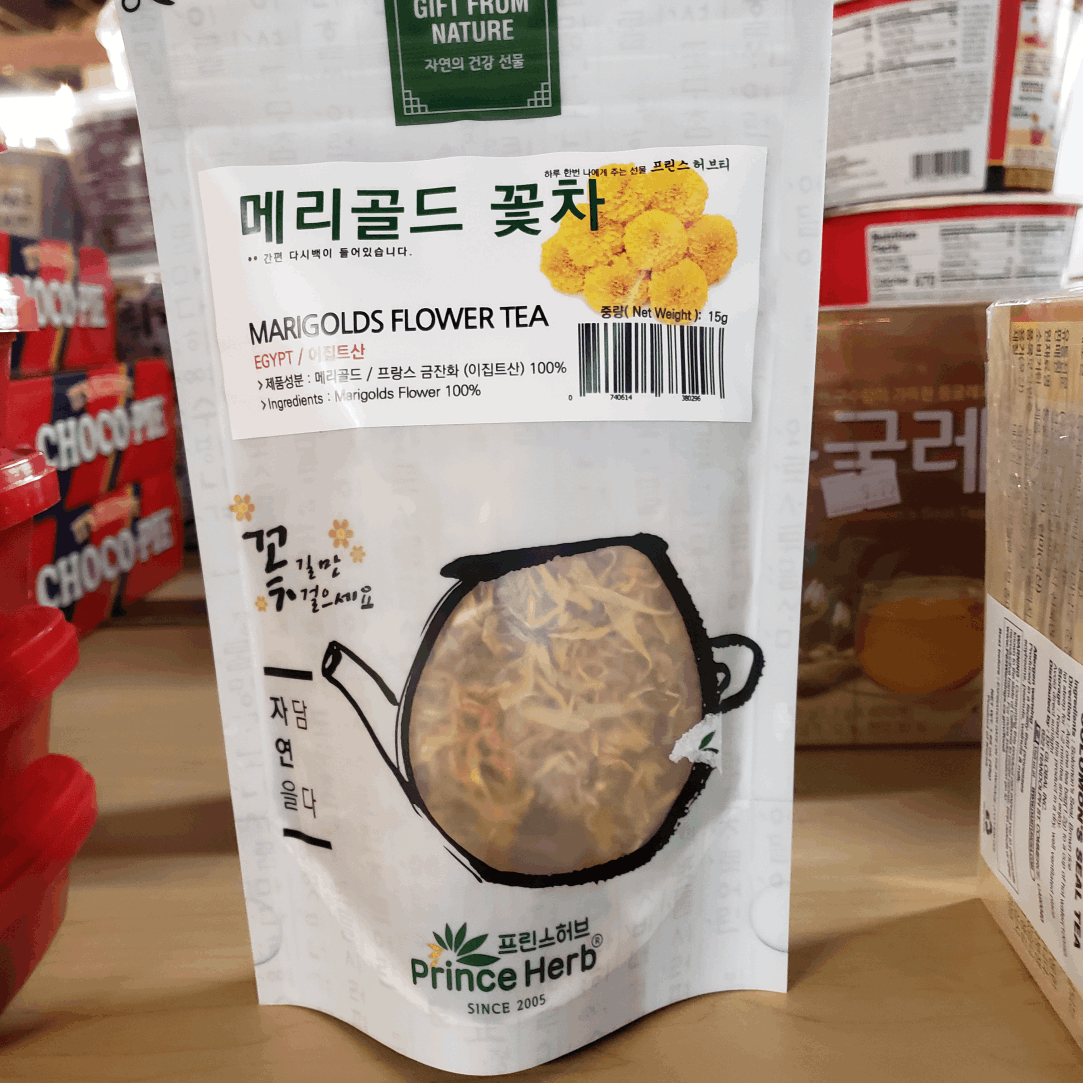
Calendula officinalis (Marigold Flower) belongs to the plant family Asteraceae or Compositae. Its vibrant yellow-orange hue and compact petal clusters make it a popular choice for harvesting and drying due to its abundant medicinal properties.
One potential benefit of this is that it reduces inflammation and damage caused by free radicals.
May Alleviate Eye Inflammation and Conjunctivitis
One of this product's key qualities is its natural antiseptic abilities.
May aid in healing skin wounds, burns, rashes and also assist in alleviating hemorrhoid discomfort.
May Alleviate cramps and muscle spasms.
Innately deters insects.
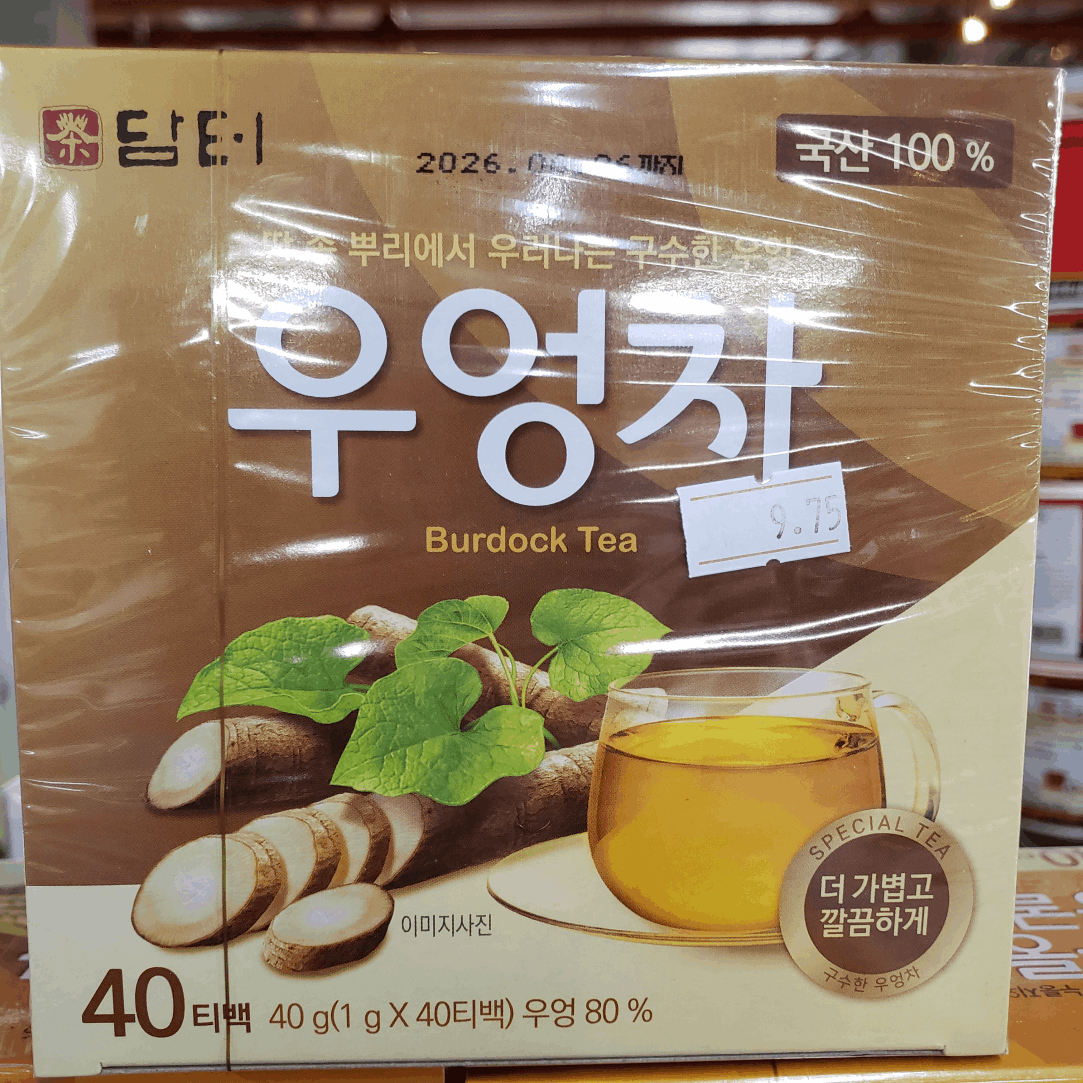
Similar to dandelion, burdock herb has also been incorporated into both traditional and modern medicines due to its versatile uses within the Asteraceae family.
Not only is burdock root rich in antioxidants, but it also possesses anti-inflammatory properties that can potentially lower your chances of developing conditions such as diabetes, high blood pressure, arthritis, and certain types of cancer.
Burdock (Arctium lappa) has also been traditionally used to help with nerve pain, including conditions like sciatica. It contains compounds like polyacetylenes, which have anti-inflammatory properties that may help alleviate pain. However, it's important to consult with a healthcare professional before using burdock or any other herbal remedy to ensure it's safe and appropriate for your specific condition.
Act as a mild laxative.
Provide probiotic benefits to possibly lower blood sugar and cholesterol, and assist in weight loss
May help regulate heart rate and blood pressure.
Provide natural ani-oxidants to protect against infections, cancer, and neurologic disorders.
May act as a blood purifier.
May relieve skin conditions including eczema, psoriasis, and dryness.
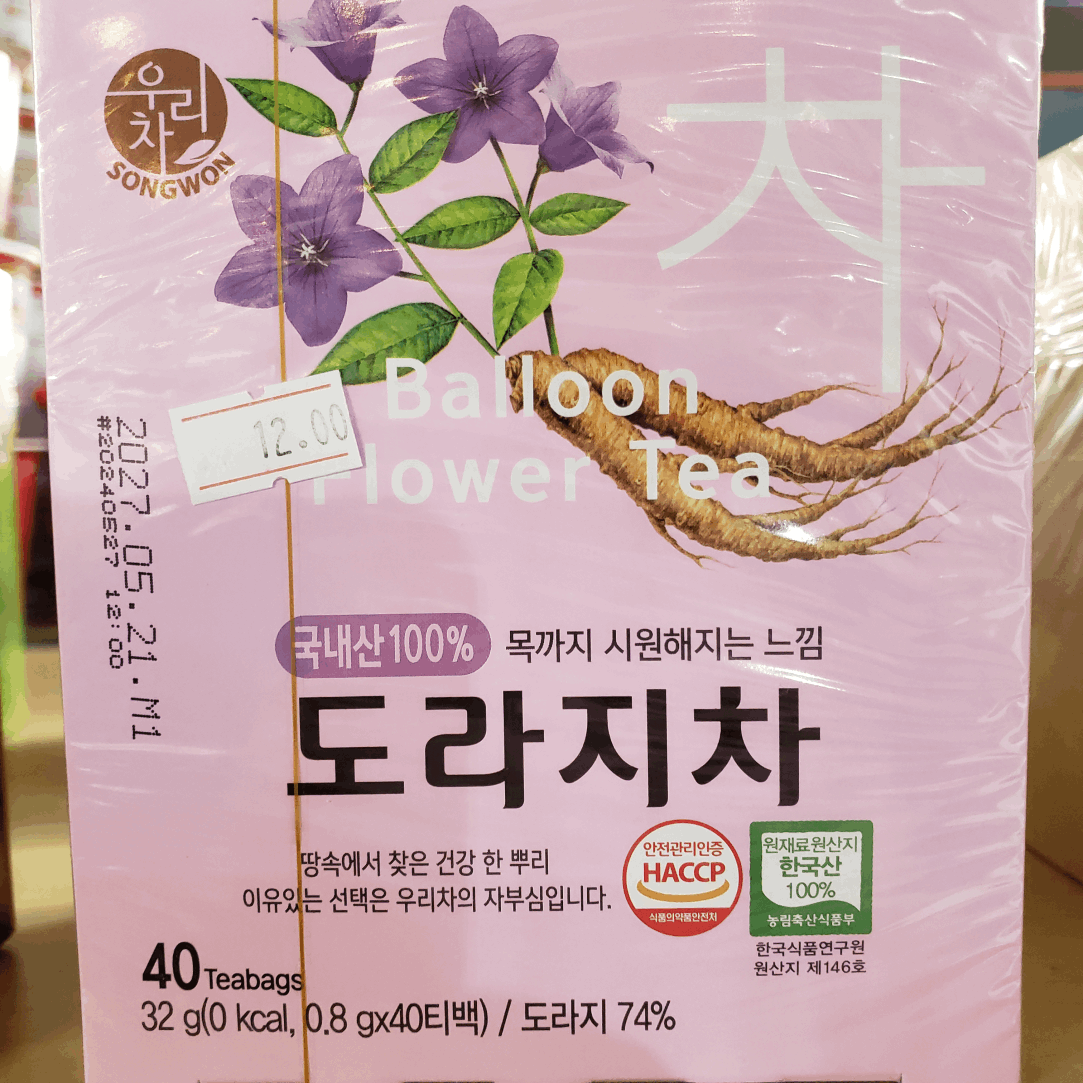
Platycodon grandiflorus or Bellflower Root is a key herb in traditional Chinese medicine, known for its numerous medicinal properties. Initially used to treat abscesses, it has since been found effective in treating other ailments like inflammation of the head and neck, as well as lung disorders.
potential health benefits of Korean doragi (bellflower root) or Chinese bellflower (Platycodon grandiflorus):
Anti-inflammatory: Helps reduce inflammation in the body.
Respiratory health: Eases symptoms of cough, cold, and bronchitis.
Digestive aid: Supports digestive health and can help with intestinal issues.
Immune support: Boosts the immune system, helping to fight off infections.
Pain relief: Can alleviate pain, including nerve pain.
Anti-allergic: May help reduce allergic reactions.
Antitussive: Helps suppress coughs.
Expectorant: Thins and eliminates mucus from the respiratory tract.
Bone health: Contains calcium, which is beneficial for bones.
Detoxification: Aids in detoxifying the body
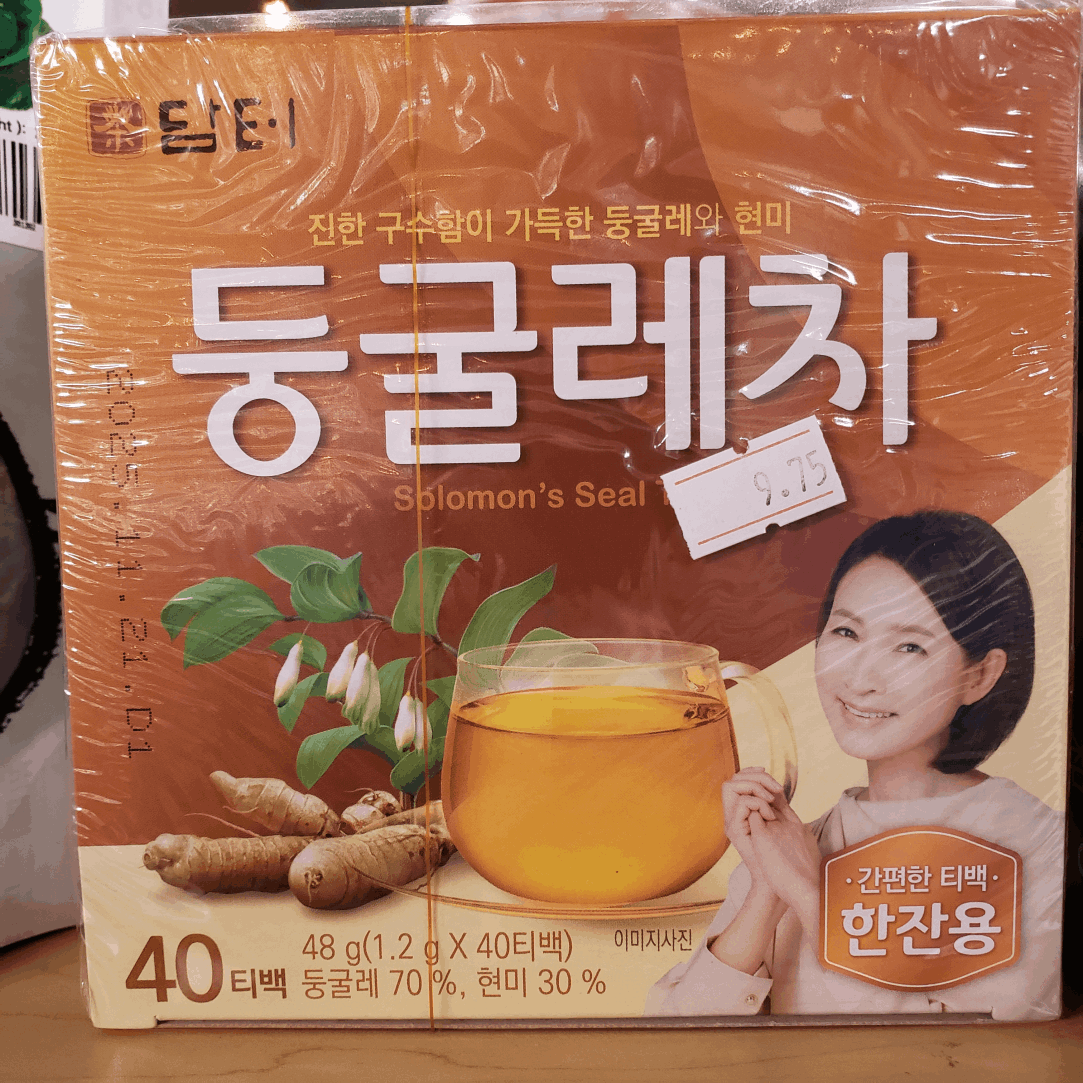
Solomon's Seal plants are native to several regions around the world. The various species can be found in Asia, Europe, and North America. Each of these regions has its own species of Solomon's Seal, adapted to the specific climate and environmental conditions.
Anti-inflammatory: Solomon's Seal contains allantoin, which has natural anti-inflammatory and antioxidant properties. It can help soothe damaged tissues and reduce inflammation.
Respiratory Health: The herb has expectorant properties that can help with respiratory issues like asthma and bronchitis by reducing mucus secretion and acting as a bronchodilator.
Bone Health: It is traditionally believed to improve the body's ability to produce synovial fluid, which can help with joint problems and prevent conditions like rheumatism and arthritis.
Wound Healing: Solomon's Seal acts as an antiseptic and antibiotic, promoting quick healing of wounds and preventing infections.
Diabetes Management: The herb has anti-diabetic properties that can help control blood sugar levels and improve metabolism.
Kidney Health: It has diuretic and anti-inflammatory properties that can help reduce inflammation in the kidneys and promote proper kidney function.
Women's Health: Solomon's Seal is known to promote uterus health and provide relief from irregular menstruation and uterine bleeding.
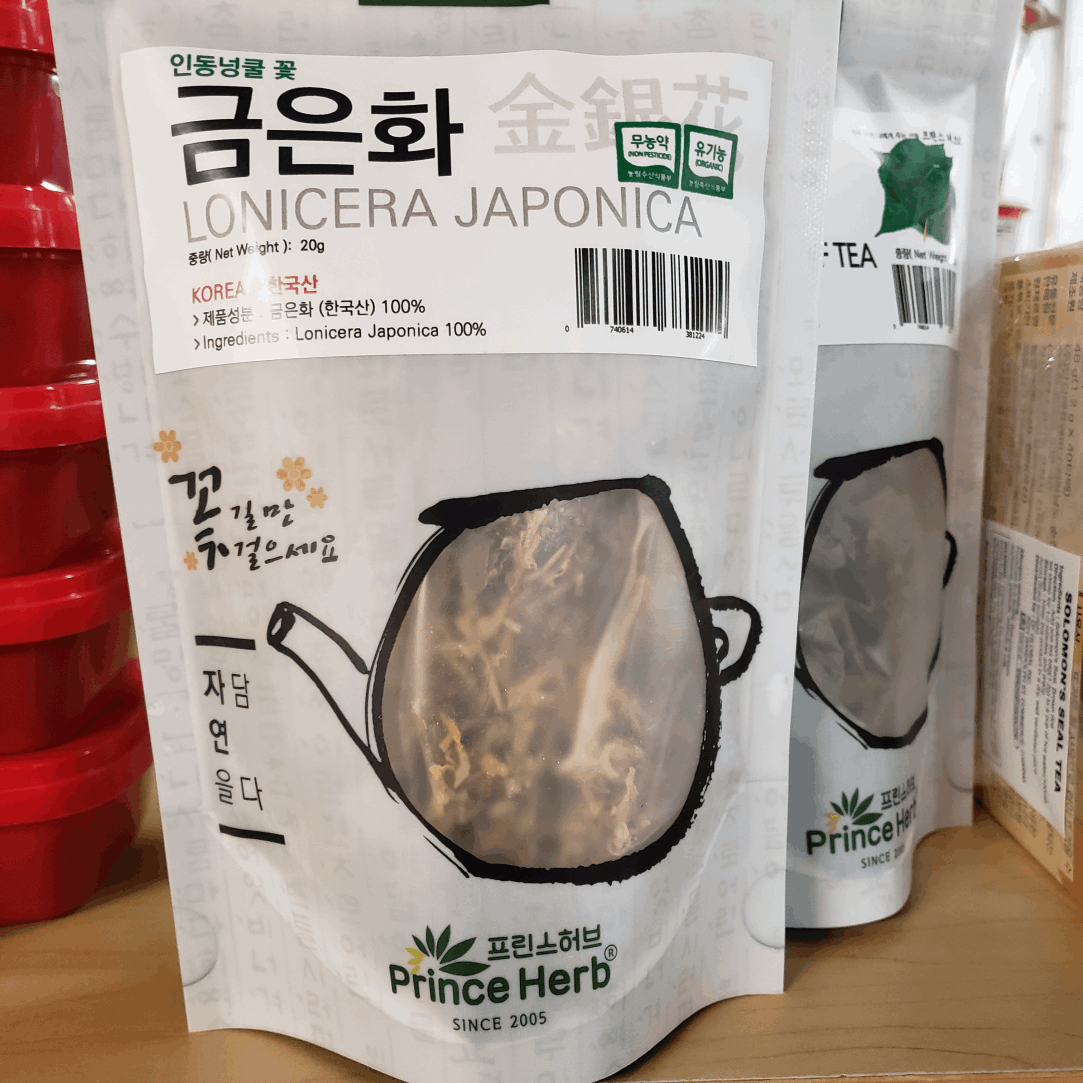
Lonicera japonica, also referred to as Honeysuckle or Japanese Honeysuckle, is a hardy vine that originates from eastern Asia, specifically northern and eastern China, Korea, Japan, and Taiwan.
Honeysuckle is believed to have beneficial effects on various health conditions.
Digestive disorders (e.g., enteritis and dysentery)
Upper respiratory tract infections (such as colds, influenza, swine flu, and pneumonia), Viral and bacterial infections, encephalitis, fever, boils, and sores.
Urinary issues
Headaches
Diabetes
Rheumatoid arthritis
Reducing cancer risk
It may also induce sweating and act as a laxative or counteract poisoning. Some people even use it as a form of birth control.
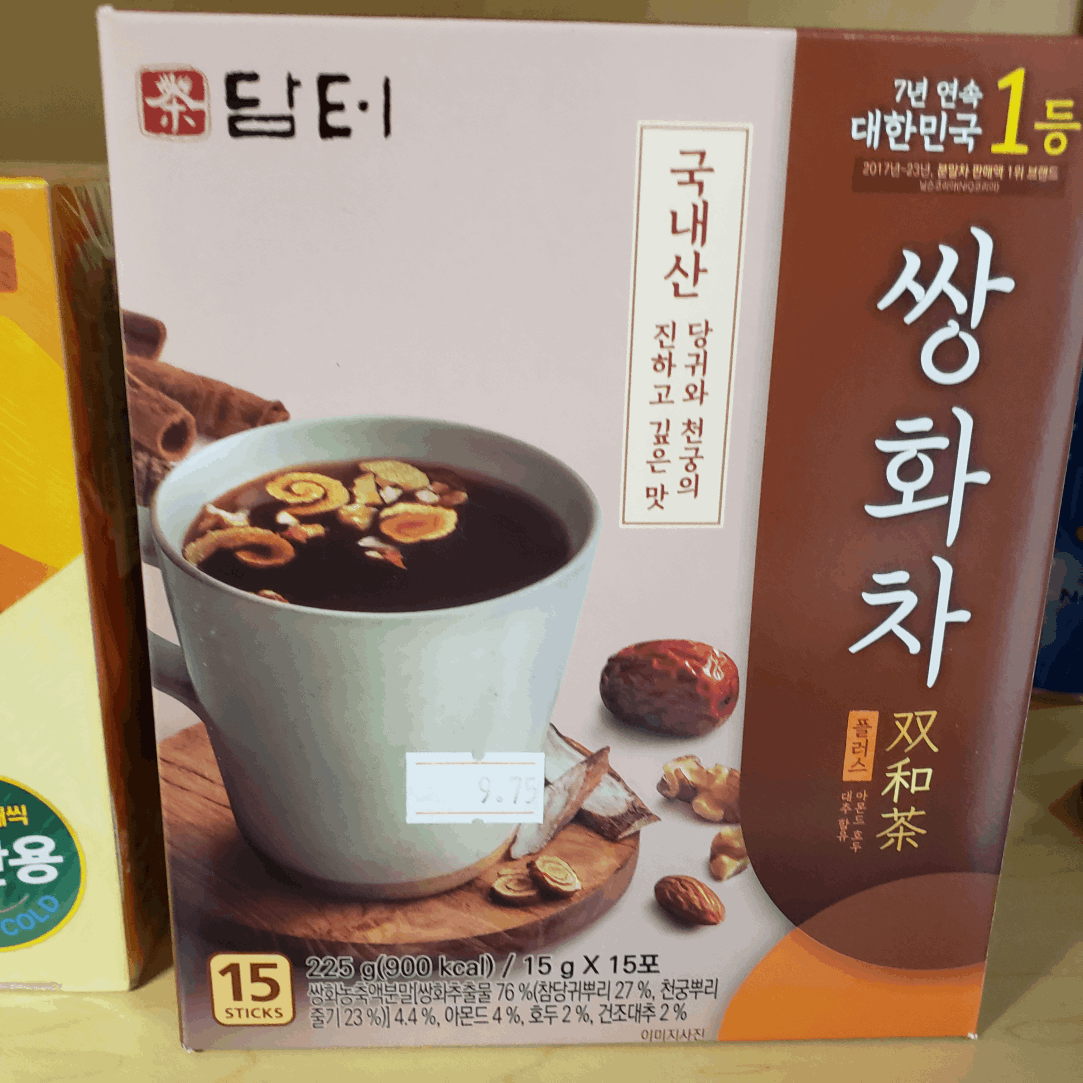
For centuries, Ssanghwa Tea has been a staple in Korean culture. Crafted with all-natural herbs, it has long been enjoyed as a revitalizing remedy.
Building physical strength
Inhibiting inflammation
Alleviating pain
Reducing fatigue.
Ssangwha tea is believed to restore the body's equilibrium, particularly when experiencing fatigue, cold symptoms, or minor illness.
Historically, this herbal infusion was a common remedy for fighting exhaustion, weakness, and cold symptoms.
Mulberries come from different regions depending on the species:
White Mulberry (Morus alba): Native to eastern and central China, but has been naturalized in Europe and North America.
Red Mulberry (Morus rubra): Native to the East Coast of North America, from Massachusetts to Kansas and down to the Gulf Coast.
Black Mulberry (Morus nigra): Native to western Asia, and has been cultivated in Europe since Roman times.
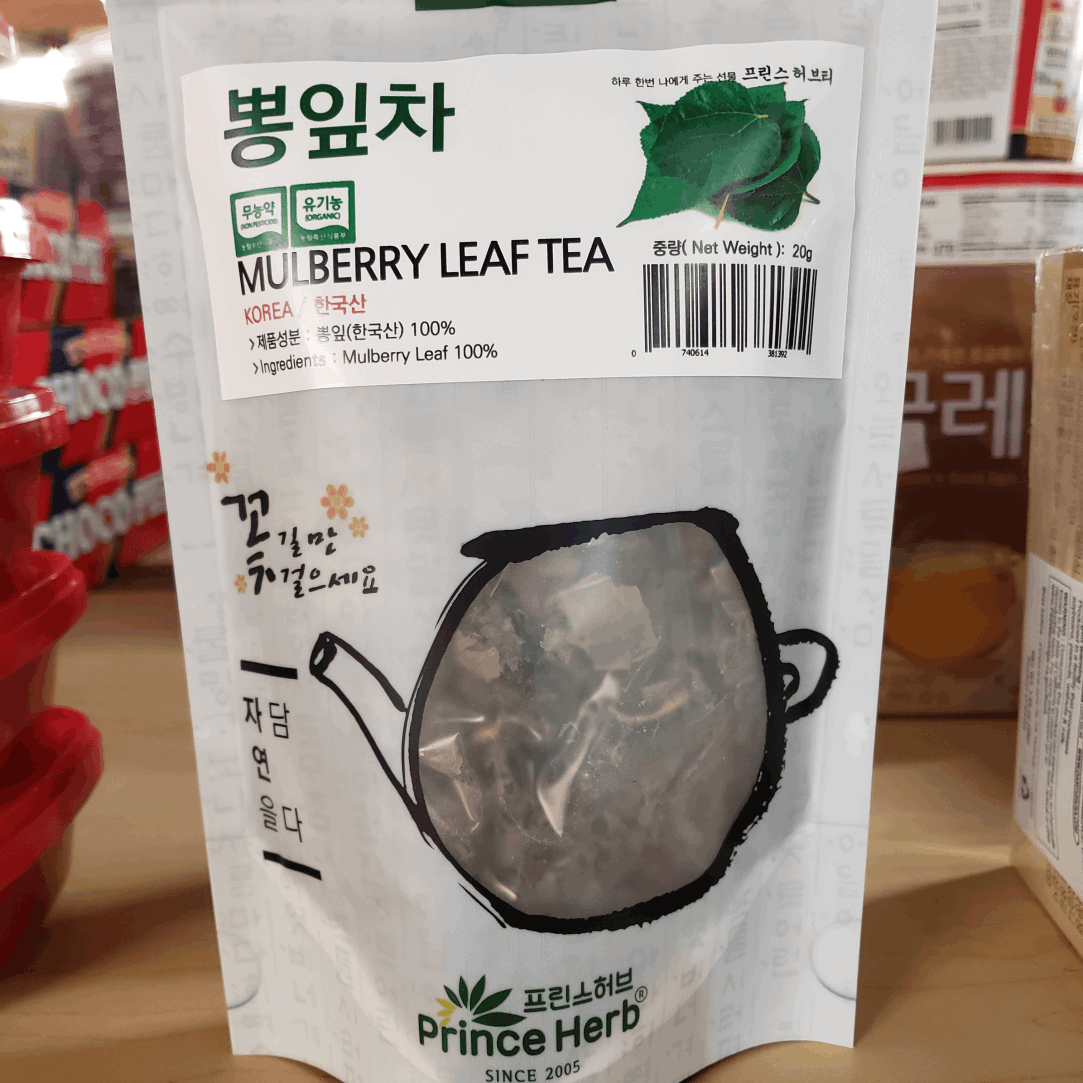
Mulberry Leaf may be one of the most powerful natural herbal supplements.
Rich in Antioxidants: Mulberries are high in antioxidants, which help combat free radicals and reduce the risk of chronic diseases.
Supports Heart Health: They help lower cholesterol levels and reduce the risk of heart disease by preventing the oxidation of LDL cholesterol.
Promotes Digestive Health: The fiber content in mulberries aids digestion and helps maintain a healthy gut.
Boosts Immunity: High in vitamin C, mulberries can strengthen the immune system and help fight off infections.
Improves Blood Sugar Control: Mulberries can help regulate blood sugar levels, making them beneficial for people with diabetes.
Supports Eye Health: They contain vitamins and antioxidants that promote eye health and may help prevent age-related macular degeneration.
Aids Weight Loss: The fiber in mulberries can help suppress appetite and promote a feeling of fullness, aiding in weight management
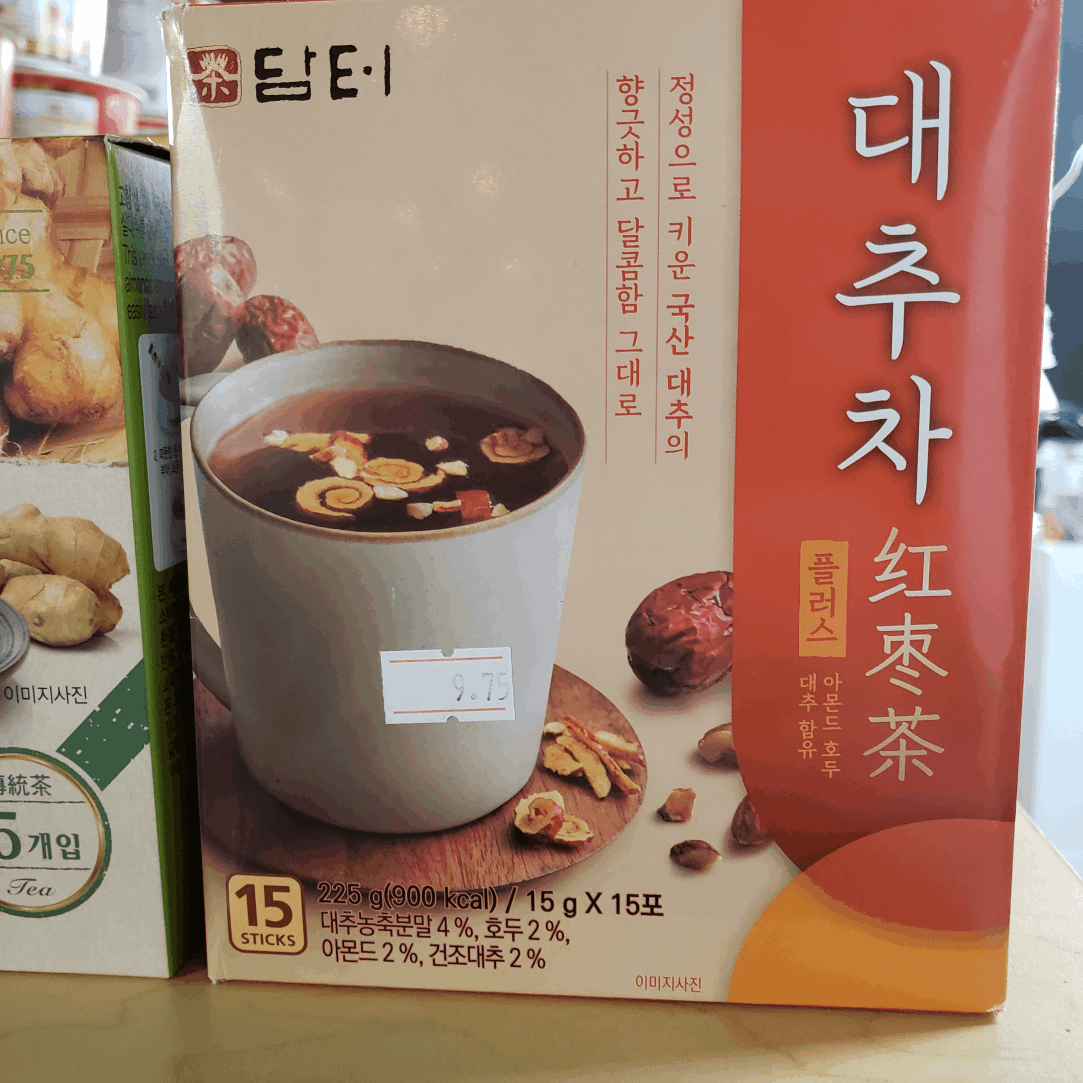
Jujube (Red Date) Tea, a delicious and nutritious beverage that will leave you feeling rejuvenated.
For centuries, traditional Chinese medicine has utilized this remedy as a solution for anxiety and to promote better sleep. It is also known to act as an appetite suppressant and aid in digestion.
Could potentially offer defense against:
Damage to the brain and nervous system.
Cancer, a disease that takes many different forms and affects countless individuals.
Cardiovascular illness.
The presence of inflammation.
Harm to the liver.
Excess weight.
Damage to the skin.
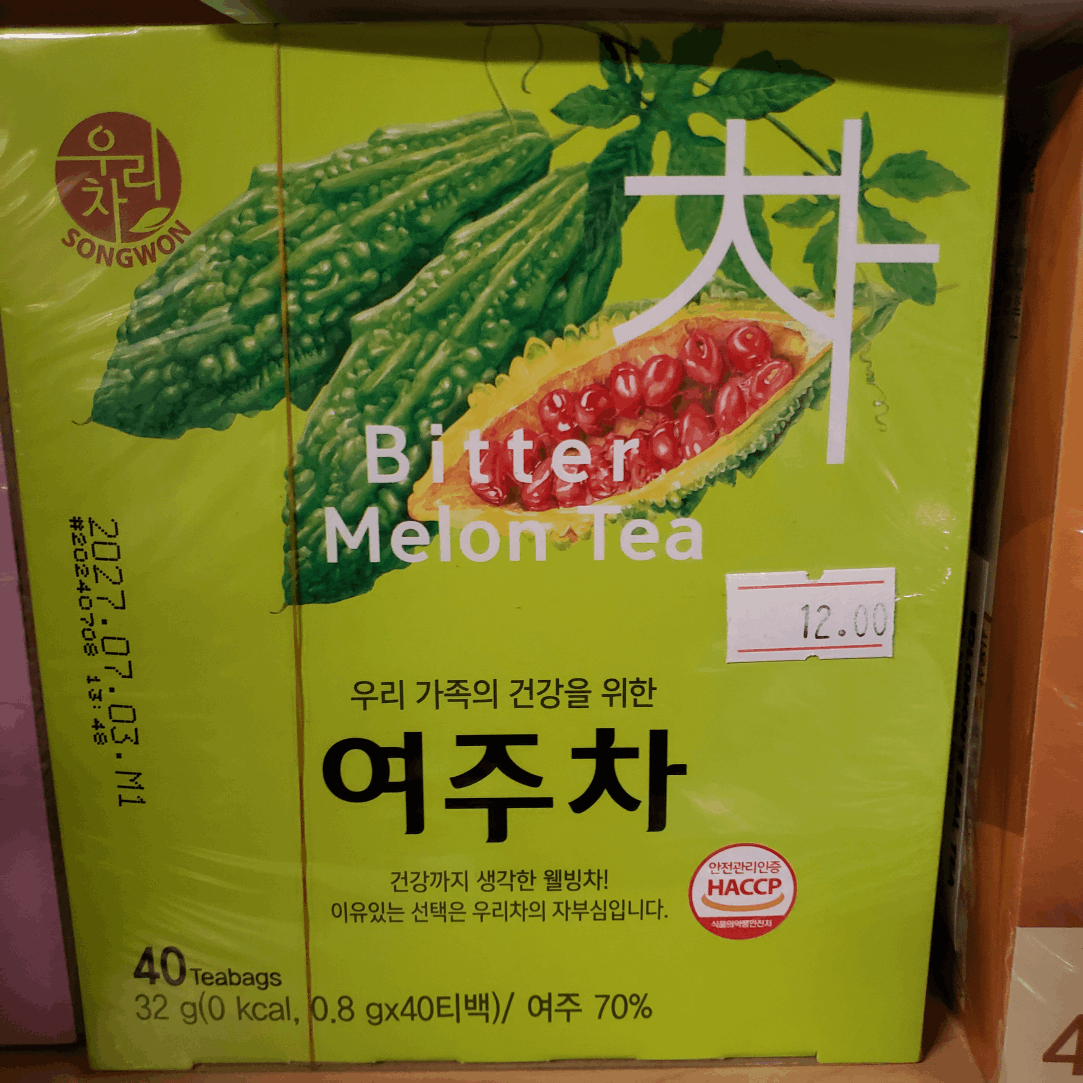
Bitter melon is not only low in calories but also rich in nutrients and antioxidants. As per the U.S. Department of Agriculture (USDA), it is a reliable source of calcium, magnesium, potassium, as well as vitamins A and C, along with zinc.
May aid in reducing the risk of cancer.
May assist with controlling blood glucose levels;
May reduce cholesterol levels;
May aid in avoiding both iron deficiency and anemia.
Some individuals may have adverse reactions to certain plants, herbs, and other natural products. Just because something is natural does not mean it is safe for everyone. Please follow this general advice if no specific guidance is provided:
If you are currently taking the product: In the event of an adverse reaction, discontinue use and consult your pharmacist, licensed herbalist, or medical doctor.
If you are considering starting an herbal regimen: Consult your pharmacist, medical doctor, or licensed herbalist about potential adverse effects of combining herbals with your current medications.
When speaking to your healthcare provider, it may be helpful to bring a copy of the information from any herbal label with you. Always continue to take any medication prescribed by your doctor unless advised otherwise by a medical professional.